
Quality You Can Trust
We're committed to delivering consistent, dependable quality in everything we do.
Powered by ShiftTrack
Create your free ShiftTrack account to follow Negosyo Advocates, join the conversation, create an appointment, and stay connected.
Create free account Already have an account? Log in
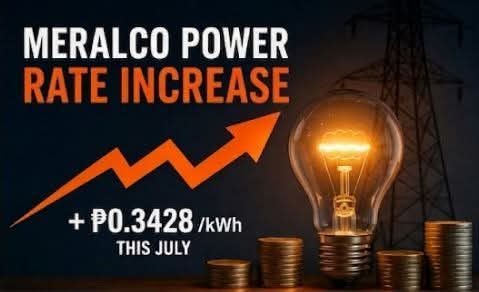
NEGOSYO ADVOCATES OPPOSES LATEST MERALCO POWER RATE INCREASE, WARNS OF DISPROPORTIONATE IMPACT ON MSMEs [MANILA, July 15, 2026] – Another increase in electricity rates will put more pressure on Filipino households and micro, small, and medium enterprises (MSMEs), which are already struggling with the rising cost of living and doing business. For this reason, Negosyo Advocates strongly opposes Meralco's latest electricity rate increase and calls on the government to take immediate action to protect consumers and small businesses. Meralco recently announced another electricity rate increase of P0.3428 per kilowatt-hour (kWh) this July, raising the rate to P14.8261 per kWh from P14.4833 per kWh in June . For a household consuming 200 kWh a month, this means paying about P69 more on its monthly electricity bill . The actual price increase hits the generation charge and taxes—which are uniform per-kilowatt-hour charges applied to every single account on the grid, commercial or residential. The impact on MSMEs is far greater because commercial operations like coffee shops, restaurants, and workspaces use significantly more power than a typical household for commercial refrigeration, HVAC, and equipment. That P0.34 per kWh scales up fast. If a workspace consumes 3,000 kWh a month, the automated bump of around P1,000+ from this month's adjustment alone is a heavy blow to its operational budget. MSMEs make up 99.63 percent of all registered businesses in the country. Many of them already pay electricity bills ranging from tens of thousands of pesos every month. Every increase in electricity rates raises their operating costs, reduces their income, and makes it more difficult to sustain and expand their businesses. For MSMEs, electricity typically ranks among the top three operational expenses alongside rent and payroll . High electricity costs reduce their competitiveness, force them to increase prices of products and services, delay expansion plans, and may even lead to
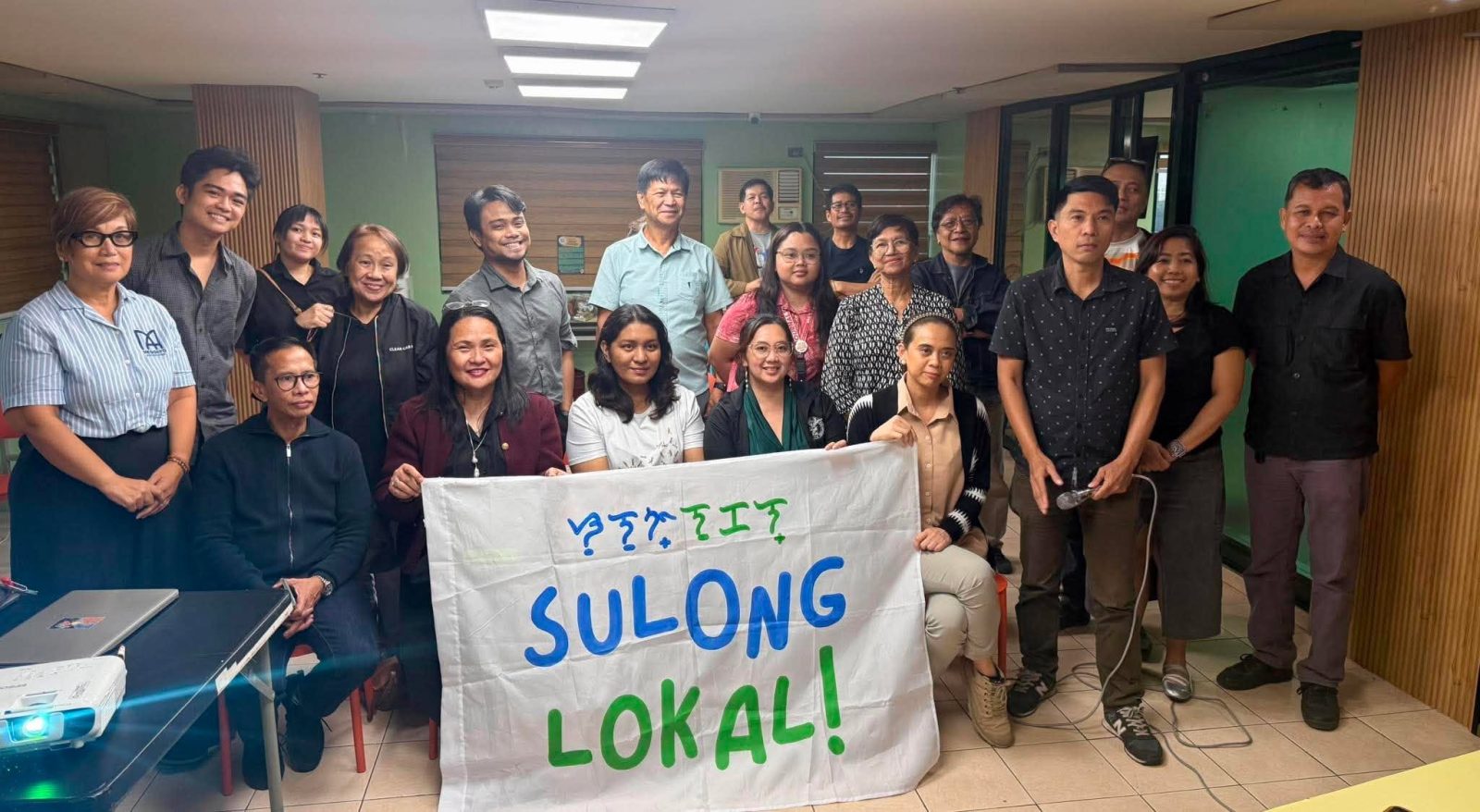
Consumer, business, and professional groups unite against high electricity costs Filipino families and businesses are paying the price of some of the highest electricity rates in Southeast Asia, prompting consumer, business, and engineering groups to call for urgent government action to bring down power costs. The groups called for the immediate removal of system loss charges and the corresponding value-added tax (VAT) from electricity bills, consistent with the call made by President Ferdinand “Bongbong” Marcos Jr. in his State of the Nation Address (SONA). Negosyo Advocates (NA), SUKI Consumers Network, and Pro-People Engineers and Leaders (PROPEL), issued a joint Unity Statement for Affordable, Fair, and Accountable Electricity, calling for reforms to address the continuing rise in electricity prices and its growing burden on Filipino families and micro, small, and medium enterprises (MSMEs). The groups said electricity is a basic need and an important part of the economy. High electricity costs increase household expenses, raise the cost of doing business, threaten the survival of MSMEs, and may lead to job losses. They also contribute to higher prices of goods and services. The groups called for immediate action to make electricity more affordable for consumers and businesses. They said consumers should not be made to pay for avoidable losses, inefficiency, poor planning, or other unnecessary costs in the power industry. Electricity charges should be fair, necessary, and acceptable to consumers. They also urged the President to go further and remove VAT on electricity altogether to give greater relief to Filipino households and businesses. However, the groups stressed that removing system loss charges alone will not solve the country's high electricity costs. They called for a broader review of the Electric Power Industry Reform Act (EPIRA) and other policies that affect electricity prices.
𝐒𝐭𝐚𝐭𝐞𝐦𝐞𝐧𝐭 𝐨𝐟 𝐍𝐞𝐠𝐨𝐬𝐲𝐨 𝐀𝐝𝐯𝐨𝐜𝐚𝐭𝐞𝐬 𝐨𝐧 𝐭𝐡𝐞 ₱𝟖𝟓 𝐖𝐚𝐠𝐞 𝐈𝐧𝐜𝐫𝐞𝐚𝐬𝐞 With the continuing rise in the prices of food, transportation, electricity, water, and other basic necessities, an increase in the minimum wage is justified and provides much-needed relief to Filipino workers and their families. While the adjustment may not be enough to fully address the rising cost of living, it is a reasonable step toward helping workers cope with today's economic challenges. At the same time, enterprises, especially micro, small, and medium enterprises (MSMEs), cannot carry this responsibility alone. Many MSMEs are already struggling with rising electricity rates, high fuel costs, expensive raw materials, increasing rent, national and local taxes, and other operating expenses. These businesses want to provide better wages and better jobs, but they also need support to remain open and keep their workers employed. We therefore call on the government to step up and help MSMEs, which employ the majority of Filipino workers. Government assistance should include financial support for small businesses, relief from national and local taxes, lower electricity costs, affordable financing, and stronger measures to control the prices of fuel, raw materials, and other business inputs. These actions will help MSMEs absorb the wage increase while protecting jobs, sustaining business operations, and preserving employment. 𝐒𝐮𝐩𝐩𝐨𝐫𝐭𝐢𝐧𝐠 𝐰𝐨𝐫𝐤𝐞𝐫𝐬 𝐚𝐧𝐝 𝐬𝐮𝐩𝐩𝐨𝐫𝐭𝐢𝐧𝐠 𝐌𝐒𝐌𝐄𝐬 𝐬𝐡𝐨𝐮𝐥𝐝 𝐠𝐨 𝐡𝐚𝐧𝐝 𝐢𝐧 𝐡𝐚𝐧𝐝. 𝐀 𝐟𝐚𝐢𝐫 𝐰𝐚𝐠𝐞 𝐩𝐨𝐥𝐢𝐜𝐲 𝐦𝐮𝐬𝐭 𝐛𝐞 𝐦𝐚𝐭𝐜𝐡𝐞𝐝 𝐰𝐢𝐭𝐡 𝐬𝐭𝐫𝐨𝐧𝐠 𝐠𝐨𝐯𝐞𝐫𝐧𝐦𝐞𝐧𝐭 𝐬𝐮𝐩𝐩𝐨𝐫𝐭 𝐟𝐨𝐫 𝐞𝐧𝐭𝐞𝐫𝐩𝐫𝐢𝐬𝐞𝐬. 𝐎𝐧𝐥𝐲 𝐭𝐡𝐫𝐨𝐮𝐠𝐡 𝐭𝐡𝐢𝐬 𝐬𝐡𝐚𝐫𝐞𝐝 𝐫𝐞𝐬𝐩𝐨𝐧𝐬𝐢𝐛𝐢𝐥𝐢𝐭𝐲 𝐜𝐚𝐧 𝐰𝐞 𝐢𝐦𝐩𝐫𝐨𝐯𝐞 𝐭𝐡𝐞 𝐥𝐢𝐯𝐞𝐬 𝐨𝐟 𝐰𝐨𝐫𝐤𝐞𝐫𝐬, 𝐡𝐞𝐥𝐩 𝐛𝐮𝐬𝐢𝐧𝐞𝐬𝐬𝐞𝐬 𝐠𝐫𝐨𝐰, 𝐚𝐧𝐝 𝐛𝐮𝐢𝐥𝐝 𝐚 𝐬𝐭𝐫𝐨𝐧𝐠𝐞𝐫 𝐚𝐧𝐝 𝐦𝐨𝐫𝐞 𝐫𝐞𝐬𝐢𝐥𝐢𝐞𝐧𝐭 𝐏𝐡𝐢𝐥𝐢𝐩𝐩𝐢𝐧𝐞 𝐞𝐜
A network of MSMEs, emerged during the pandemic, with a vision of strengthening local producers and building national industries. Through advocacy and action, we strive to empower Filipino entrepreneurs & foster an ecosystem for homegrown businesses.